



Taking action to protect the planet, its many ecosystems, wildlife and open spaces, not to mention its overall health, has never been more critical.
As the current U.S. presidential administration actively rolls back environmental laws and protections, withdraws the country from international agreements related to climate change and sets its sights on developing wild spaces and refuges designed to protect animals, it becomes ever more important for each of us to do our part as global citizens.
While it can often feel overwhelming, we all have the power to make a difference—and that includes as travelers.
Your vacation decisions can support conservation and environmental protection efforts in a variety of ways, including by simply opting to visit destinations around the country that are working to be good stewards of the planet. Many of these same destinations also let visitors take part in such efforts.
And here’s even more good news: There are numerous destinations around the country that fit this description. From Colorado to California (and several places in between), destination management organizations and local leaders are actively working to advance sustainable ways of living, doing business and traveling. Many are also ensuring that their efforts meaningfully support local communities or indigenous cultures.
If you’re looking for ways to support sustainability efforts in the United States as a traveler, read on to learn more about five destinations that are leading the charge and why you should consider paying a visit in 2026.

Leaders in Breckenridge have been building the blueprint for responsible mountain tourism long before it became a popular travel industry buzzword. (Photo Credit: Courtesy Breckenridge Tourism Office)
Breckenridge, Colorado
A charming mountain town known for world-class skiing, picturesque natural wilderness and an extensive historic district, Breckenridge is a sustainability trailblazer. Leaders here have been building the blueprint for responsible mountain tourism long before it became the latest travel industry buzzword.
Most recently, that effort has included becoming one of only three destinations in the United States to earn certification as a ‘Sustainable Mountain Resort’ through a program accredited by the Global Sustainable Tourism Council. But the town first set its sights on becoming more sustainable back in 2011 with the launch of ‘Sustainable Breck,’ an effort that embedded environmental, economic and social responsibility into everything from water use to commuting.
“Breckenridge has long set a high bar in environmental stewardship. From phasing out single-use plastics to powering buildings with solar energy and investing in bike-share and car-free transit, our community prioritizes harmony between quality of life for residents and quality of place for visitors,” Jessie Burley, sustainability manager for the town of Breckenridge, told TravelPulse.
So what does all of this mean for you, the traveler? And why should you visit?
Not only is Breckenridge a destination with an abundance of activities for outdoors and nature lovers, but it also gives travelers the chance to actively take part in local sustainability efforts. The “B Like Breckenridge” program was created specifically to help visitors explore responsibly and protect what makes Breckenridge special. There’s even a B Like Breckenridge app designed for tourists.
Using the app, visitors can find trails, events and things to do in Breckenridge. And at the same time, the app provides tips to help travelers care for the town while exploring.
“The Breckenridge Tourism Office is focused on educating guests on how to visit responsibly and preserve the visitor experience for future generations through the B Like Breckenridge stewardship education movement,” says Burley.
“Travelers can actively support these efforts by going car-free and choosing sustainable transportation, staying in ResourceWise-certified accommodations, joining restoration projects through our Open Space and Trails program, embracing zero-waste practices and leaving no trace throughout their stays,” Burley adds.
And here’s one more reason to visit Breckenridge: More than 50 local businesses weave stewardship into their everyday operations through staff education and sustainable practices.
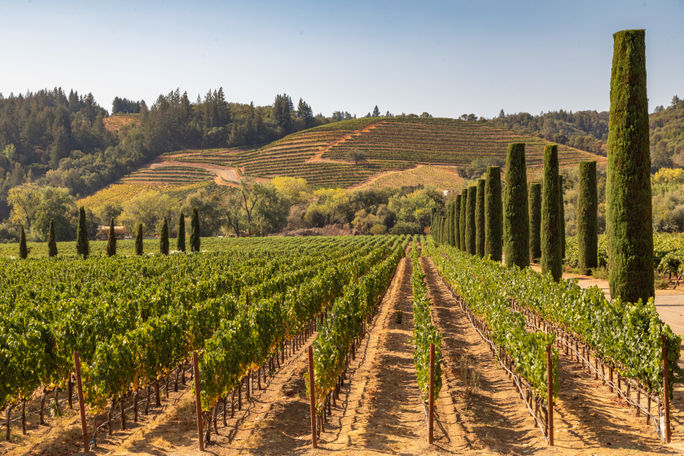
Sonoma County is leading the way in actively weaving sustainability into its travel and tourism industry. (Photo Credit: Courtesy AdobeStock)
Sonoma County, California
Renowned for its wines and vineyards, along with its abundant organic produce, Sonoma County offers another important example of a destination that’s actively advancing sustainable travel and tourism practices. That effort has taken many forms, including becoming a partner in the “Every Stay Gives Back” program created by Kind Traveler, a public benefit corporation.
A long list of Sonoma hotels are part of Every Stay Gives Back, a program that involves donating a portion of each traveler’s booking proceeds to a local nonprofit organization focused on environmental, community, or social justice causes.
Translation: Sustainably-focused travelers have plenty of hotel options to choose
from when visiting Sonoma, and your money will help important local efforts as a bonus. Some of the participating hotels include Dawn Ranch, The Highlands Resort, The Madrona and The Sea Ranch Lodge (to name merely a few).
While in Sonoma, you can also enjoy eco-certified wine tastings, explore protected open spaces, and dine at farm-to-table restaurants. Sonoma is also a leading agrotourism destination and, to that end, has begun offering a variety of unique ‘signature’ experiences designed to help visitors connect with the Earth.
That includes a new experience titled The Remarkable Redwoods, which allows participants to have a deeper encounter with the Redwood forest, experiencing the forest’s ecology and spirituality with an expert guide. Yet another popular new activity is “Taste of Coastal Foraging” in the northern part of Sonoma County, which takes participants through coastal tidepools, wooded forests, and prairies.
“Sonoma County is an excellent place for sustainable exploring because the visitor experience has been thoughtfully curated to ensure that the biggest possible positive impact can be felt while also feeling carefree and elevated at the same time,” says Kind Traveler co-founder Jessica Blotter.
“The vast majority of vineyards are certified sustainable, partners are offering programming to help reduce waste and emissions while giving back to the community, and travelers are directed to low-impact and slow ways to experience the region,” adds Blotter.
Whether its kayaking the Russian River, wandering Redwood groves, or indulging in the slow food-inspired farm-to-table dining offerings, “Sonoma County is wine country where care for place shapes the experience,” says Blotter.

At the Georgia Sea Turtle Center on Jekyll Island visitors can witness turtle rehabilitation work firsthand. (Photo Credit: Courtesy Jekyll Island Authority)
Jekyll Island, Georgia
Located along Georgia’s famed Golden Isles, Jekyll Island is a coastal oasis with sustainability at the center of its identity.
The island protects more than 65 percent of its land from development through the state legislature, thus preserving diverse ecosystems that range from maritime forests to freshwater wetlands. In fact, all development on the island is tightly limited to ensure a continued balance with nature.
These efforts date back years. For instance, back in 2011, the Jekyll Island Authority established a vetted Conservation Program with the mission of preserving and enhancing the island’s natural bounty, while also providing nature-based educational and recreational opportunities.
Visitors can engage directly with the island’s extensive conservation efforts through a variety of programs led by the Jekyll Island Authority and the Georgia Sea Turtle Center.
Eco-experience options include taking part in ranger-led walks to learn more about the island’s natural resources and visiting the sea turtle center to witness rehabilitation work firsthand. And while there, you may even choose to symbolically ‘adopt’ a turtle, to help support the costs of food and medicine. The center has treated more than 5,000 patients since opening in 2007.
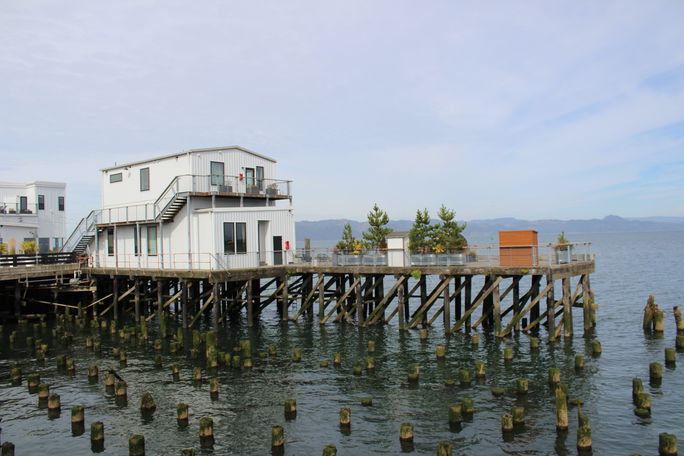
The Bowline Hotel in Astoria, Oregon is one of many local hotels that integrates sustainability extensively throughout its operations. (Photo Credit: Courtesy Astoria-Warrenton Chamber of Commerce)
Astoria and Warrenton, Oregon
Just two hours from Portland, Oregon, you’ll find the North Coast towns of Astoria and Warrenton, communities that were once the salmon canning capital of the world.
These days, however, visitors will find a vibrant cultural scene, trendy boutiques and historic Victorian homes. And along with all of that, there’s a long list of businesses committed to sustainable practices. That includes numerous restaurants (don’t miss Bridgewater Bistro, which features a luxurious menu of locally sourced seafood), and more than a few eco-friendly hotel offerings.
Cannery Pier Hotel & Spa in Astoria, for instance, is actively embracing ecotourism principles. The hotel conserves energy and water, runs recycling programs, uses reusable glassware and non-toxic cleaners, and donates used linens to local charities.
The Bowline Hotel (also in Astoria) uses sustainable materials in its design, employs energy-efficient practices, and sources locally, all while preserving Astoria’s rich heritage. These are merely a few examples of the many lodging options that feature notable sustainability efforts. Others to put on your radar include Adrift Hotel and Ashore Hotel.
And one last note about Astoria and Warrenton: There’s also plenty of outdoor activity options that support sustainable travel. That includes miles of scenic hiking, biking, horseback and walking trails.
There are also guided nature tours available, and don’t miss the opportunity to take part in foraging on a guided mushroom hike at Fort Stevens (if you happen to be visiting between September and November).

The picturesque California coastal town of Pismo beach is on its third year of building its stewardship program. (Photo Credit: Courtesy AdobeStock)
Pismo Beach, California
The picturesque California coastal town of Pismo Beach is in its third year of building its stewardship program, an effort focused on establishing a regenerative relationship with tourism (Which means tourists leaving a place better than they found it.)
As part of the town’s tourism-related stewardship, a number of exciting events will take place throughout the year. First up is a stewardship weekend set for February 27 and 28, focused on the plight of the Western Monarch butterfly. (The goal of the event is to encourage visitors to engage deeper with local ecosystems and conservation efforts.)

Clam Reburying Workshops take place at Pismo Beach’s annual Clam Festival to teach children how to properly rebury clams if they dig them up. (Photo Credit: Courtesy Pismo Beach)
The town will also host multiple Pismo Clam Reburying workshops at its annual Clam Festival, which is set to take place October 17-18 this year. The workshops aim to teach children how to properly rebury clams if they dig them up. Officials say reburying clams is “a small but vital act that supports the recovery of Pismo’s iconic clams, which are finally returning after a thirty-year absence.”
Additional notable events include:
Hosting multiple community sand drawing events, in order to engage visitors with the opportunity to create temporary, eco-friendly art on the beaches. Partnering with local hotels to support weekly beach clean-ups, with a focus on weighing the trash picked up throughout the year to better understand the impact.
“In 2026, Pismo Beach is focused on giving visitors meaningful ways to engage with the beauty of our ecosystem while they travel,” says Emma Rhoads, director of stewardship and educational outreach programs for Pismo Beach. “From our annual stewardship weekend highlighting the Western Monarch butterfly to hands-on clam reburying workshops at the Pismo Beach Clam Festival, travelers can engage their senses, hearing, seeing, and feeling the wild, to deepen the connection with the coastal environment.”
For the latest travel news, updates and deals, subscribe to the daily TravelPulse newsletter.
