


Americans are far from satisfied with the current state of the U.S. travel system and they’re even less satisfied with how Congress is using money that should be paying for modernization of the country’s travel infrastructure.
In particular, Americans fear the United States is falling behind other countries in delivering a modern, efficient travel experience, according to a new Ipsos poll conducted on behalf of the U.S. Travel Association. The poll found that two-thirds of Americans are concerned about the state of U.S. air traffic control.
Moreover, the survey revealed that Americans overwhelmingly support using the so-called 9/11 Security Fee as it was intended–to cover the costs of enhancing America’s air travel system. The fee, a $5.60 charge, is added to every airline ticket and was implemented in the days after the 9/11 terrorist attack.
The Ipsos poll shows that 89 percent of Americans say every dollar of the 9/11 fee should be funding modern security technology for American’s aviation system.
Congress began diverting one-third of the revenue generated by this security fee back in 2013 in order to pay for unrelated programs, according to data released by Democratic Senator Edward J. Markey’s (D-Mass.) office.
In Fiscal Year 2019, the last full year before air travel was impacted by the coronavirus pandemic, more than $4.25 billion was collected in security fees. However, $1.36 billion was diverted away from aviation security.
Unless current law is changed, more than $19 billion in total will be diverted by FY 2027, according to Markey’s office, who along with Sen. Richard Blumenthal (D-Conn.) has reintroduced the Funding for Aviation Screeners and Threat Elimination Restoration (FASTER) Act in order to end the diversion of the security fee.
With major global events approaching that will bring an increased level of visitors to this country, such as America 250, the 2026 FIFA World Cup and the 2028 Olympic Games, the public is seeking renewed focus from Congress.
“Americans want the United States to lead the world in travel efficiency, not lag behind it, and they’re telling Congress exactly how to get there: put the 9/11 Passenger Security Fee back where it belongs,” Geoff Freeman, president and CEO of U.S. Travel, said in a statement.
“Stealing 9/11 security dollars is shameful,” Freeman added. “Allocating the fee to proven technology would speed screening, strengthen security and create a more seamless and secure airport experience. It’s a bipartisan fix waiting to happen.”
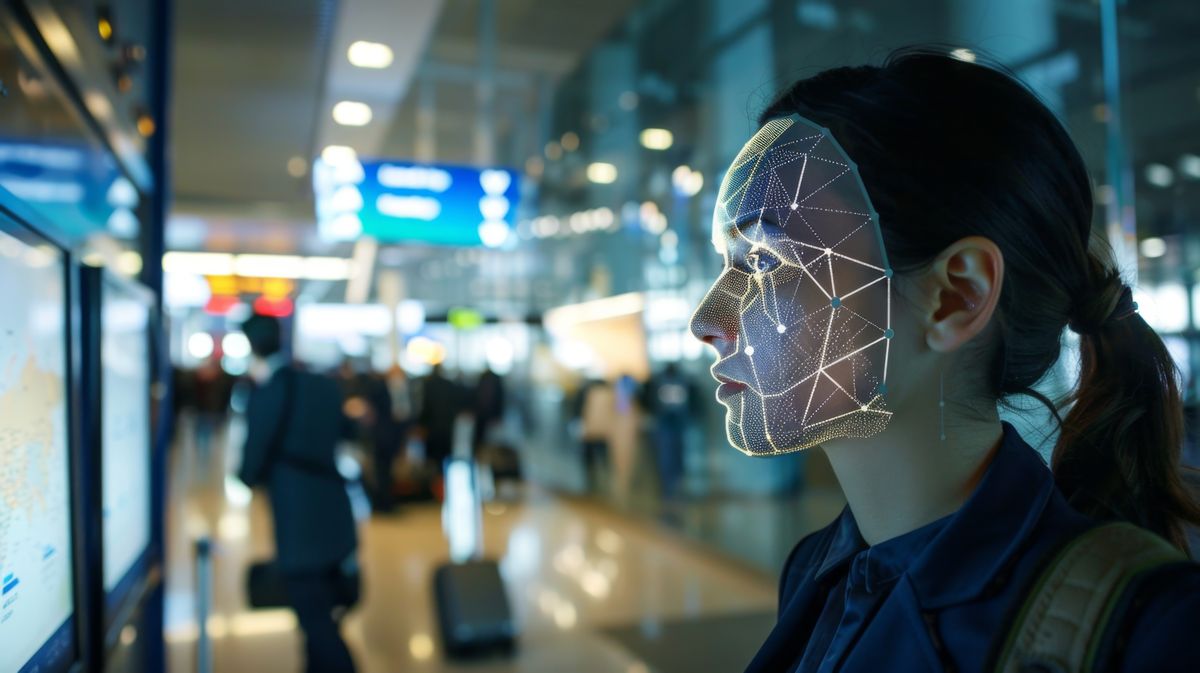
The Ipsos poll also revealed that American travelers are very much in support of the use of biometric technology. In particular, 81 percent of Americans back TSA’s use of biometrics and 83 percent support CBP’s use of the technology. Public support increases when privacy safeguards are explicit, according to the poll.
A separate global passenger survey, conducted by the International Air Transport
Association (IATA) and published in November, showed that 78 percent of passengers want to use a
smartphone to book and pay for flights, as well as to navigate airport
checkpoints.
According to the IATA survey “biometric use has risen by
nearly 20 percentage points since 2022,” with half of
passengers having used biometrics at some point in their journey this year. In addition, a whopping 85 percent of passengers that they were happy with the
experience.
For the latest travel news, updates and deals, subscribe to the daily TravelPulse newsletter.
