


This year was one of major news and changes for the air travel industry.
From policy shifts to evolving taste among travelers, 2025 was a year of notable headlines and huge transformation for airlines around the globe and the national airspace in the United States.
Here, we take a look at some of the biggest stories that dominated air travel news throughout the year. Although all big stories of 2025, most of these topics will continue to develop well into 2026.
Here are the five biggest air travel stories of 2025.
Real ID Finally Launched
After years of delays, the Real ID law finally launched in May 2025, marking a major change to the airport security process. The launch went smoothly, with the vast majority of travelers arriving at security checkpoints across the U.S. with the correct forms of identification right off the bat. Travelers who showed up at the security checkpoint without a Real ID after May 7, 2025, were still able to attempt to verify their identity in other ways with TSA officers.
However, the TSA announced that that policy is set to change in early 2026. Starting February 1, the agency plans to launch a new service called Confirm.ID for passengers who do not have a Real ID or who forget to bring their identification to the airport. The service will use new technology to attempt to verify travelers’ identities and comes with a $45 fee. Once their identity is successfully verified, travelers will receive a receipt that is valid for multiple flights for 10 days.
TSA Made Other Major Changes
Real ID wasn’t the only sweeping policy change TSA made in 2025. The agency also made other notable shifts to its screening rules. Among the most notable changes was the end of the shoes-off policy for fliers in the regular TSA line over the summer. That move was a huge step forward in terms of passenger convenience and screening efficiency. On the heels of that announcement, the agency also launched new family screening lanes at select airports to help smooth out the screening process for family travelers.
The TSA also leaned into expanding facial recognition technology. It partnered with more airlines to continue the expansion of its Touchless ID facial scanning program, bringing more airports into the program for Alaska Airlines and American Airlines fliers. In partnership with Clear, the agency announced it would launch new e-gates for Clear users that will fully automate the identity verification process for Clear members. The e-gates launched at three airports in 2025 and will continue to roll out to additional facilities in 2026.
In 2026, there’s likely to be many more changes ahead, as the agency announced a $1 billion plan to modernize equipment and systems at airport checkpoints across the country.
Air Traffic Control Had Issues—and Got Upgrades
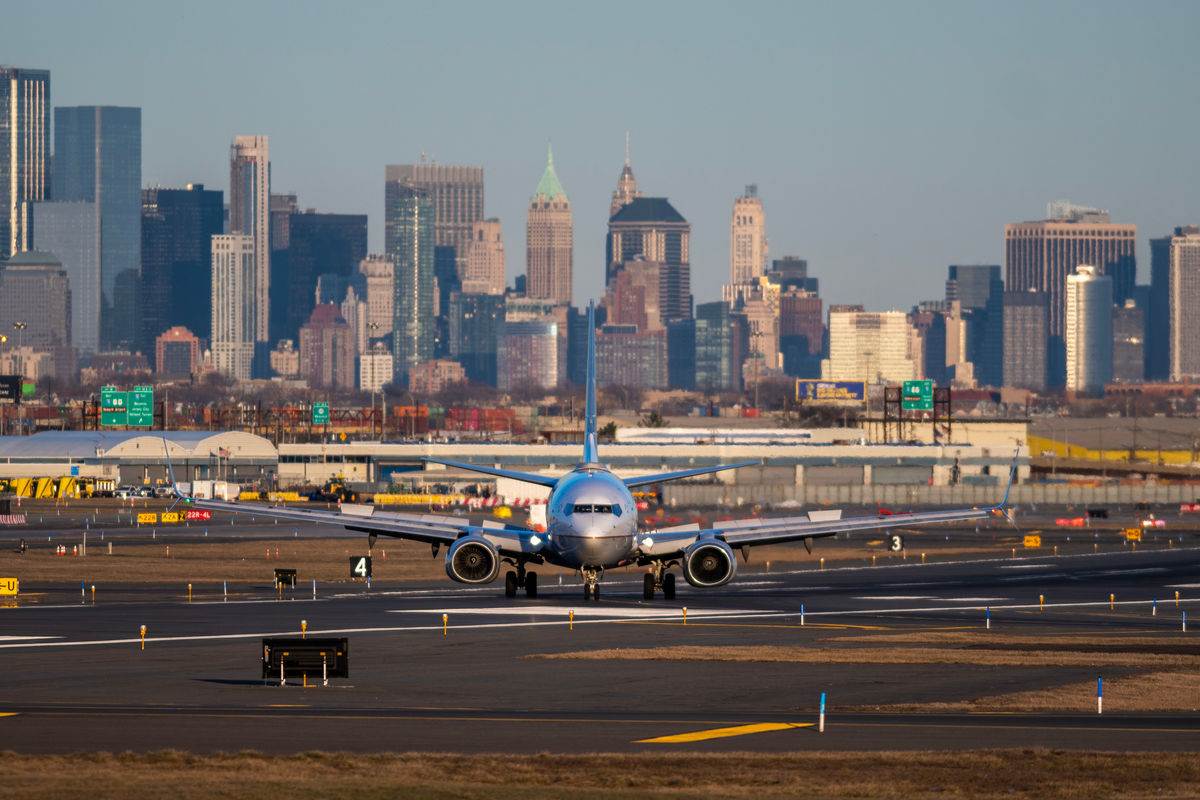
Air traffic control issues also dominated the headlines in 2026. Problems began in the spring at New Jersey’s Newark International Airport (EWR) when equipment malfunctioned and air traffic controllers lost contact with planes. That caused ongoing delays after several air traffic controllers took mental health leave due to the stressful incident and led many travelers to question whether flying through Newark was safe.
The whole situation put antiquated ATC equipment and a nationwide shortage of ATC staff into the spotlight. Secretary of Transportation Sean Duffy then unveiled a plan for the FAA to overhaul air traffic control tower systems and technology across the U.S., as well as starting a “supercharged” hiring process to address staffing shortages. However, a similar scenario played out again in October during the federal government shutdown, when unpaid ATC staff began to call out of work in higher numbers causing weeks of flight disruptions.
Aviation Safety Was Top of Mind
In addition to concerns about the safety of air traffic control, many travelers were worried about general aviation safety throughout 2025. After high-fatality accidents, including the midair collision in Washington, D.C., when a military helicopter and passenger plane crashed into each other near DCA in January and killed 67 people, many travelers felt wary about flying. Another incident involved a regional jet that flipped over upon landing in snowy conditions in Toronto, but fortunately, everyone on board was safe.
Throughout the year, there were several notable close calls and near misses between passenger planes and military aircraft that kept travelers on edge. Federal officials are still digging into the factors that caused the DCA collision and the other near misses. In hopes of avoiding a similar accident, U.S. senators Ted Cruz and Maria Cantwell have written legislation that would require all military aircraft to share their location with surrounding passenger planes. That legislation, called the ROTOR Act, is still being debated in the senate.
Airlines Leaned Into the Premium Travel Revolution
This year, travelers couldn’t get enough of premium airline products, including business and first class cabins, airport lounges, and other ritzy services and experiences. In fact, the strong demand for premium travel helped several U.S. airlines weather economic headwinds like tariffs and the government shutdown.
Airlines took the cue and started launching a steady stream of new premium seats, lounges, and services. American Airlines, JetBlue, Virgin Atlantic, and Emirates are just some of the carriers that expanded—or launched plans to expand—premium seats, from business class to premium economy. In 2026, United is launching an upgraded Polaris business class cabin with privacy doors and caviar service. The evolution of premium is one that will last until at least the end of the decade: American Airlines says it plans to add 30% more premium seats on its domestic fleet and 50% more on its long-haul fleet by 2030.
For the latest travel news, updates and deals, subscribe to the daily TravelPulse newsletter.
