

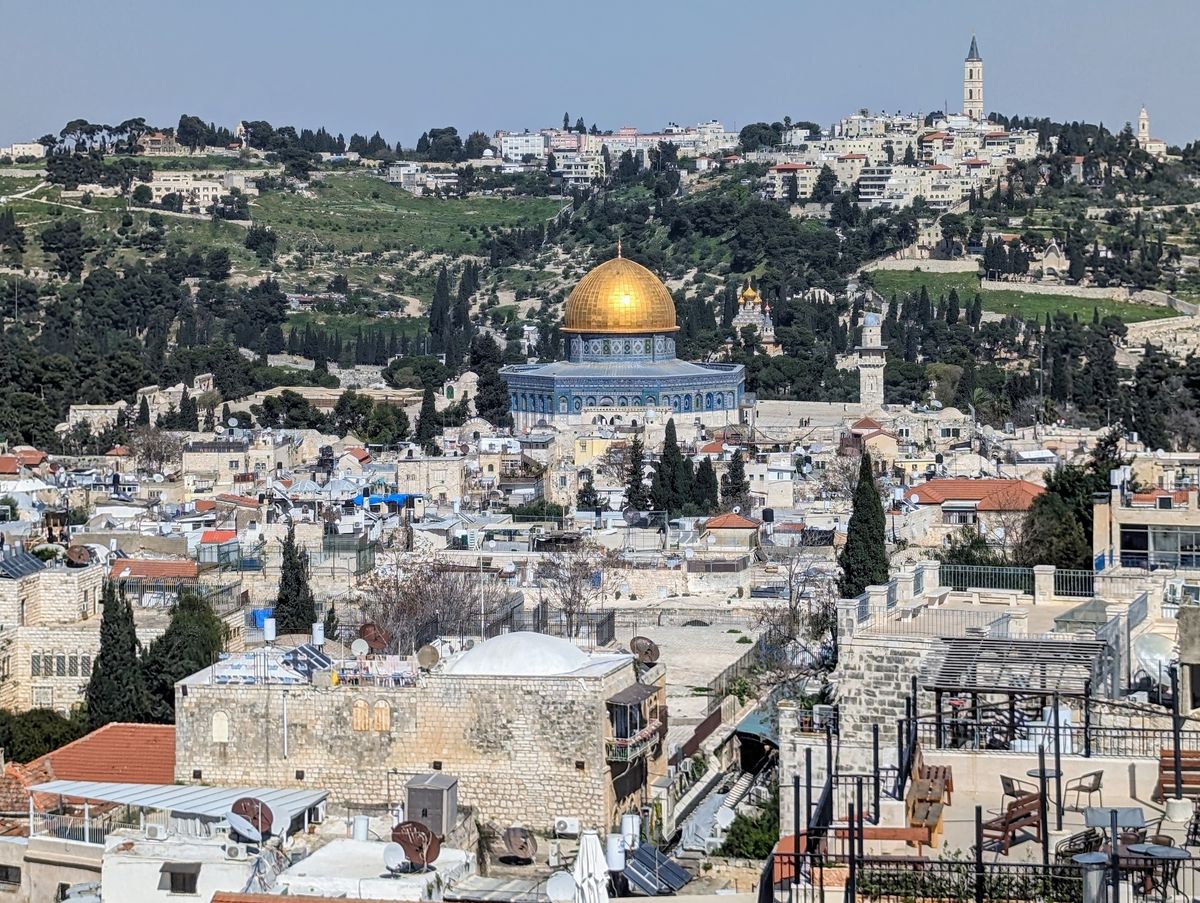

Despite the war in Gaza, 1.3 million tourists visited Israel last year, the lion’s share (400,000) of which were American travelers, followed by 159,000 from France and 95,000 from the UK, accounting for 55% of inbound tourism.
Going forward, Israeli tourism officials are expecting 2026 to yield stronger tourism arrival numbers.
“With the reduction of travel warnings and the increase in flight availability, 2026 is expected to be a year of recovery,” said Israel Minister of Tourism Haim Katz. “The tourist arrival data is encouraging, and the demand for Israel among supportive audiences and key countries, primarily the US, remains strong.”
“Accordingly, we are preparing to increase investments in marketing activities,” he added. “In the past year, steps we took to increase the supply and diversity of hotel rooms have progressed and are bringing real improvements to the future of Israeli tourism.”
Meanwhile, the remaining 2025 visitors included 64,000 from Russia, 38,000 from Germany, 31,000 from Ukraine, 28,000 from Canada, and 27,000 from Romania.
“We had to do intense work in crisis management while promoting structural solutions for the future of tourism in Israel,” said Israel Ministry of Tourism Director-General Michael Izhakov.
“As expected during a time of war, we invested in strengthening tourism infrastructure, entrepreneurship, planning, and maintaining the Ministry’s marketing channels abroad,” he added.
In other developments, a Ministry of Tourism survey conducted in the first half of 2025, which polled thousands of tourists, identified “changes in the identity of visitors and the characteristics of their visits, following the war.”
“Fifty-one percent of tourists defined themselves as Jewish (compared to 66% in the 2024 survey), while the percentage of pilgrims increased from 5% in 2024 to 9% in the first half of 2025,” the survey said, noting that the “average expenditure of an individual tourist increased to $1,622, compared to $1,427 in 2024 (excluding flights), and the length of stay was 9.3 nights, compared to 11.4 last year.”
To prepare for an increase in visitors, the Ministry of Tourism approved a budget of more than $55 million for a considerable number of infrastructure projects.
“We continue to collaborate with the industry, with a responsibility for economic growth, employment in the periphery and restoring confidence in the international market,” Izhakov said.
For the latest travel news, updates and deals, subscribe to the daily TravelPulse newsletter.
