

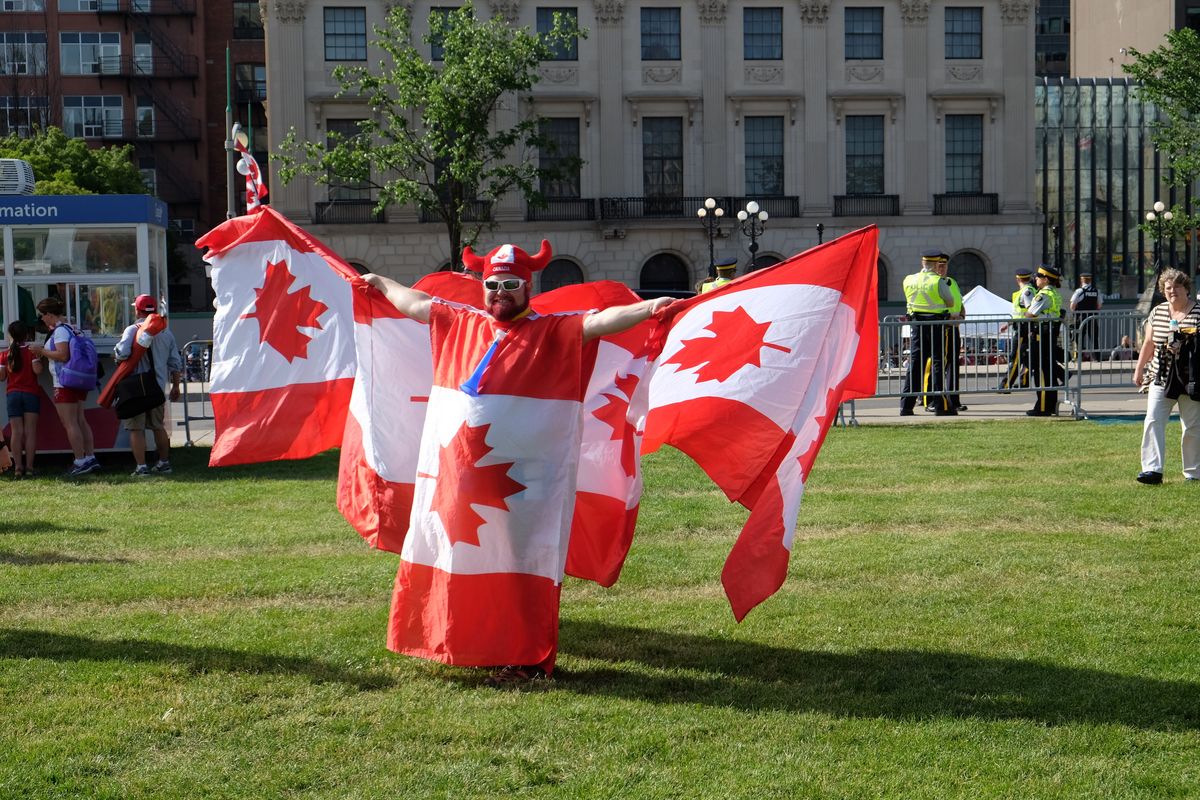

Canada is a vast country. Its relatively small population (a little over 41.5 million people, according to Statistics Canada) is spread over 3.8 million square miles. From the East coast to the West coast to the coastline of the far North, the landscapes are varied with places to adventure, cities to explore and friendly people who are still eager to welcome American visitors…just please, keep your 51st State jokes to yourself.
Seeing the entire country in one visit isn’t feasible for most tourists. The great distances and expensive domestic airfare make it tough, but touring through one region at a time is a great way to get a taste of The Great White North. You’ll want to come back for more, and we’d love to have you!
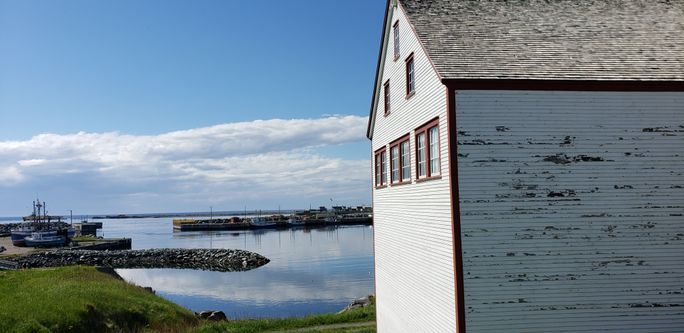
A scene on the East Coast of Newfoundland (Photo Credit: Jen Mallia)
Atlantic Canada
Starting in the East, you’ll find the Maritime provinces and Newfoundland and Labrador. Newfoundland isn’t a Maritime province, something you will learn quickly if you visit. The Maritimes refers specifically to New Brunswick, Nova Scotia and Prince Edward Island, which were part of Canadian Confederation when the country was created. Newfoundland and Labrador didn’t join Canada until 1949. Each of the Atlantic provinces bear a long, proud history and their inhabitants are well known for their hospitality. The smallest provinces are perfect for a roadtrip.
See: All things Anne of Green Gables in PEI, “Iceberg Alley” in Newfoundland, Acadian history in New Brunswick and autumn leaf peeping along the Cabot Trail in Cape Breton, Nova Scotia
Stay: St Andrew’s by the Sea is an iconic Canadian hotel in New Brunswick. Its comprehensive renovation is going to be on-going for the next few years, but the first stage, which includes a Nordic spa, is slated to open early 2026.
Don’t miss: A lobster feed is a can’t-miss activity. During lobster season (which varies depending on the region), you may find communities hosting fundraiser suppers of lobster, homemade sides and dessert in churches, community halls, the legion, or yes, the local hockey rink. It’s about the most delicious way to “support local” when you visit.
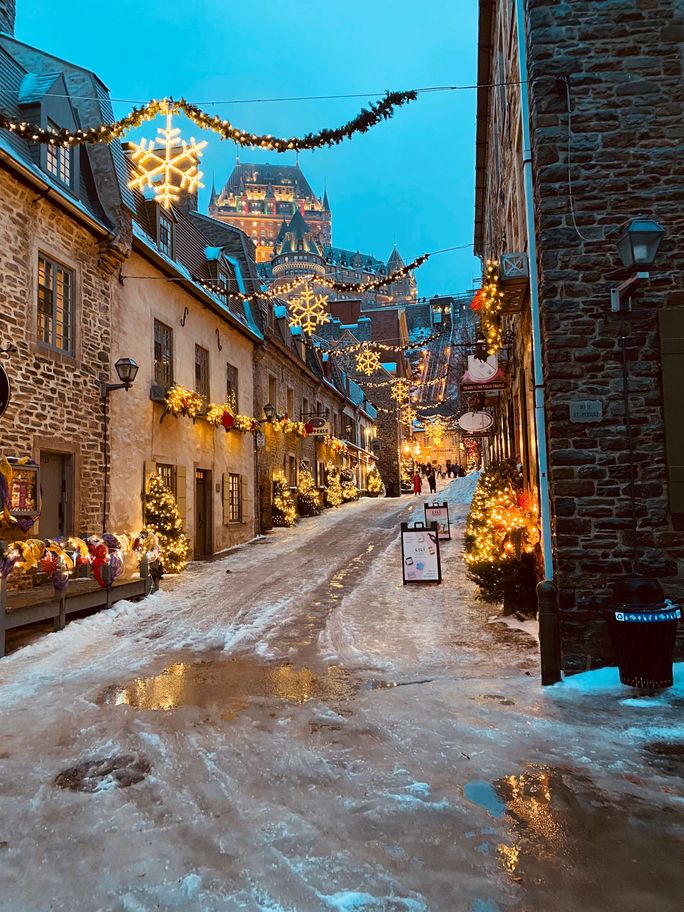
The Fairmont Chateau Frontenac smiles down on the historic streets of Old Quebec. (Photo Credit: Debbie Olsen)
Quebec
Montreal is the province’s largest city. It’s vibrant and multicultural, with an amazing arts scene. One of the biggest tourist draws is the annual Montreal Jazz Fest, but many smaller festivals keep Montreal jumping throughout the year. Quebec City (sometimes confusingly referred to just as “Quebec”) is known as the most European of Canadian cities, although it has a feel all its own. Old Quebec is especially French, with cobbled streets and stone buildings that have stood for hundreds of years. Head out of the major cities to see some of the smaller towns to get a better feel for Quebecois culture. In the cities English is fairly widely spoken, especially in the tourist industry. Outside the main centers, you will find mainly French.
See: Take a cruise up to the fjord in Saguenay, visit local fromageries to sample fresh cheese or take a snowmobile safari to a remote lodge for a winter adventure.
Stay: The Fairmont Frontenac in Quebec City is allegedly the most photographed hotel in Canada, and it’s gorgeous on the inside too. The property offers programming for guests, like local tours. Splurge on a Fairmont Gold room to take advantage of elevated perks, such as breakfast and private check-in.
Don’t miss: The amazing food. Michelin announced its first round of honors in the province this year, and reservations can still be had (at reasonable prices, particularly with the exchange rate) even at some of the provinces top spots.
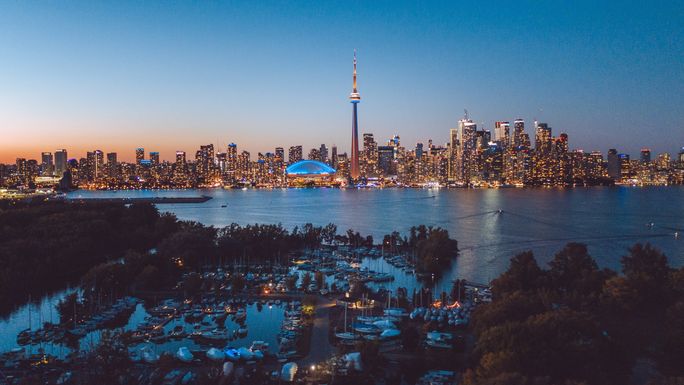
Evening city skyline of Toronto, Ontario, Canada. (Photo Credit: Destination Toronto)
Ontario
Many international visitors will end up in Toronto, Canada’s biggest city. Toronto Pearson is the country’s busiest airport, serving more than 45.7 million passengers last year. It’s many traveler’s first introduction to Canada. The city has a huge multicultural community and many iconic Canadian attractions, such as the CN Tower and the Hockey Hall of Fame. Much of the population is concentrated in the south, with smaller towns and cities to explore. There are tons of lakes to lounge by in the summer and nature to enjoy. In Northern Ontario, tromp through the bush or spend your days fishing on the countless waterways.
See: Niagara Falls deserves its spot as one of the Wonders of the World. As a Canadian, I am undeniably biased, but the view of the Horseshoe Falls is best from the Canadian side. The newly opened Niagara Takes Flight attraction takes guests on a virtual flight over the region, while Journey Behind the Falls takes visitors deep into the bedrock behind the powerful falls.
Stay: Rest and relax at Canada’s premier destination spa, Ste. Anne’s Spa. All-inclusive packages include meals, a stay in a spa cottage and use of the all-season outdoor hydrotherapy pools and indoor treatments.
Don’t miss: The national museums and galleries of Canada are mainly centered around the capital city of Ottawa. This summer, kids under 18 get in free to the national landmarks, and young people (ages 18-24) get in for half price under the Canada Strong Pass program. The program is for all visitors, not just Canadians.
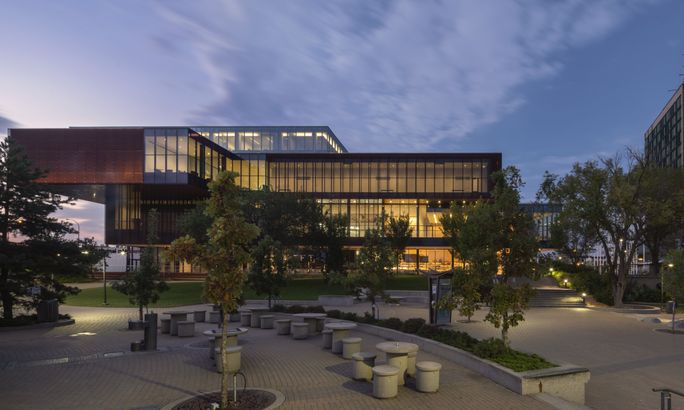
PHOTO: Exterior of Remai Modern in Saskatoon, Saskatchewan, Canada. (Photo via Remai Modern)
Central Prairies
Manitoba and Saskatchewan are the central Prairie provinces. Mainly recognized for farming these provinces also have dynamic and arty small cities that shouldn’t be overlooked. There are opportunities for Indigenous cultural experiences in every province, and the Prairies do them very well. In Winnipeg, Manitoba, visit the museum for Inuit art, Qaumajuq, and just outside Saskatoon, head out to Wanuskawin, an important Indigenous site for thousands of years.
Winnipeg is also home to the Canadian Museum for Human Rights and the six indoor gardens at The Leaf. Saskatoon, Saskatchewan has the world’s most comprehensive collection of Picasso linocuts (yes, really!) at the Remai Modern Gallery. The two cities also have incredible culinary scenes that are woefully unsung.
See: Polar bears in Churchill, Manitoba, dubbed the Polar Bear Capital of the World. Take a buggy out onto the ice and spot the largest land carnivores on Earth.
Stay: Stay in a converted grain bin at Alive Sky Lodge in Rosetown, Saskatchewan. The accommodations are comfortable and include a luxury breakfast and unbelievable star-gazing opportunites.
Don’t Miss: Moose Jaw, Saskatchewan was a hive of illicit activity during Prohibition. The city’s shady past makes it a quirky spot to visit…don’t miss the Tunnels of Moose Jaw tour.
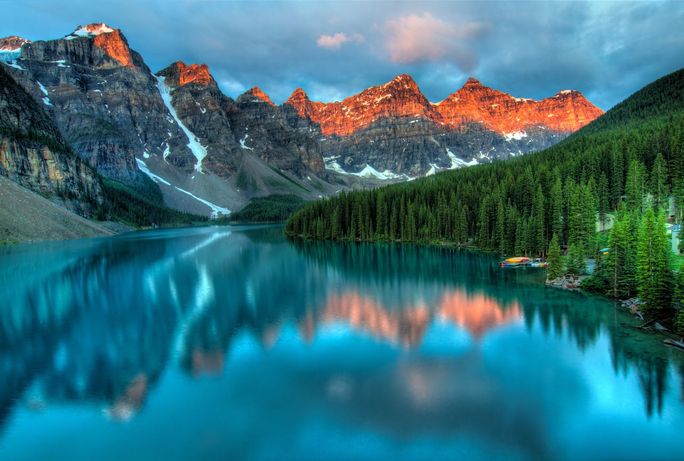
Rocky Mountains near Field, B.C. (Photo Credit: Photo by James Wheeler for Pexels)
The West
Alberta and British Columbia make up the Western-most part of Canada. Several mountain ranges run through the provinces, including the Canadian Rocky Mountains, making them a draw for skiers from around the world. That’s not all that brings visitors. In B.C. the major cities of Vancouver and the capital of Victoria draw visitors with temperate weather and endless things to do. In Alberta, you can get rootin’ and tootin’ at the Calgary Stampede, see dinosaurs at the Drumheller or up north in
See: The Okanagan Valley in B.C. is a renowned wine region. Take a wine tour or arrange your own to sample the crisp whites and complex reds at beautiful wineries.
Stay: The Rimrock Banff will reopen in summer 2026 as the first North American property under Accor’s ultra-luxury Emblems Collection. The hotel, set in the Rockies over the town of Banff, Alberta, will feature sophisticated dining and upscale guest rooms, plus a spa that aims to take advantage of the naturally rejuvenating properties of the region.
Don’t miss: The Edmonton Fringe Festival is second only to Edinburgh as the largest fringe theater festival in the world. Held at the end of August each year, the Strathcona neighborhood plays host to hundreds of performers, making the city come alive with weird and wonderful plays and performances.
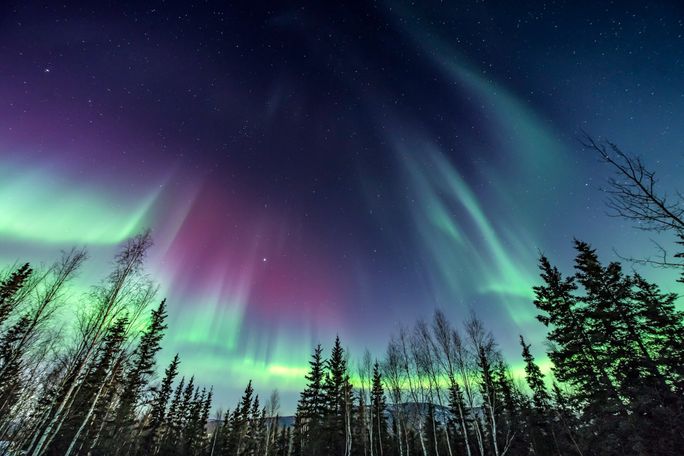
The Northern Lights (Photo Credit: Princess Cruises)
The North
The Northern territories (Yukon, Northwest Territories, Nunavut) are best known for natural beauty and adventure travel. Here you will find plenty of hunting and fishing opportunities, including remote fly-in lodges that help visitors escape the rigors of every day. The connection with the Indigenous People and their land is strong here, it the perfect place to learn more about the diverse cultures and Nations that have lived here for thousands of years.
See: The aurora borealis. The Northern Lights have been spotted in the Arctic regions of Canada throughout the year. The low light pollution and proximity to the North Pole make aurora-viewing in the North some of the best in the world.
Stay: Blachford Lodge in the Northwest Territories is a fly-in lodge. It’s a great base for adventuring and has a culinary program to delight while it fuels you for your days in nature.
Don’t miss: The Inuvik Sunrise Festival celebrates the return of the sun in January after a month of polar darkness. Events include local food, dance, music, artisan markets, cultural workshops, snow & ice sculptures, family activities, and a big fireworks display. Conversely, around the summer solstice, the town hosts Midnight Madness, with similar activities to celebrate the unending daylight.
For the latest travel news, updates and deals, subscribe to the daily TravelPulse newsletter.
