

If you grow houseplants, you probably know that sinking feeling you get when you notice the almost imperceivable movement of a dot, fine webbing between a leaf and its stem, or a leaf that just looks off.
You thought (hoped!) the moment would never come, but the pests have moved in, and here we are.
Check out the plant before buying it
The old adage about an ounce of prevention being worth a pound of cure also applies to houseplant infestations, and this all could have been avoided if you had taken precautions, starting at the nursery.
Before bringing home a plant, inspect it closely. Look at the soil, stem, leaves and, importantly, under the leaves, where some pests like to make their homes. Use your phone’s camera to zoom in on questionable specks. If all looks good, go ahead and buy the plant, but repot it once it crosses your threshold.
What to do when you bring the plant home
Remove the plant from its container and gently shake, then wipe as much of the soil from the roots as possible. This is important because even in the absence of visible pests, there could be eggs waiting to hatch in the soil.
Repot the plant using fresh, sterile potting mix in a clean container with a drainage hole at the bottom. If reusing the original pot, first wash it and disinfect it with a 90/10 water-to-bleach solution.
Plant the roots exactly as deep as they were in the original pot, and tamp the soil down firmly to eliminate air pockets. Then give the plant a moderate drink of water.
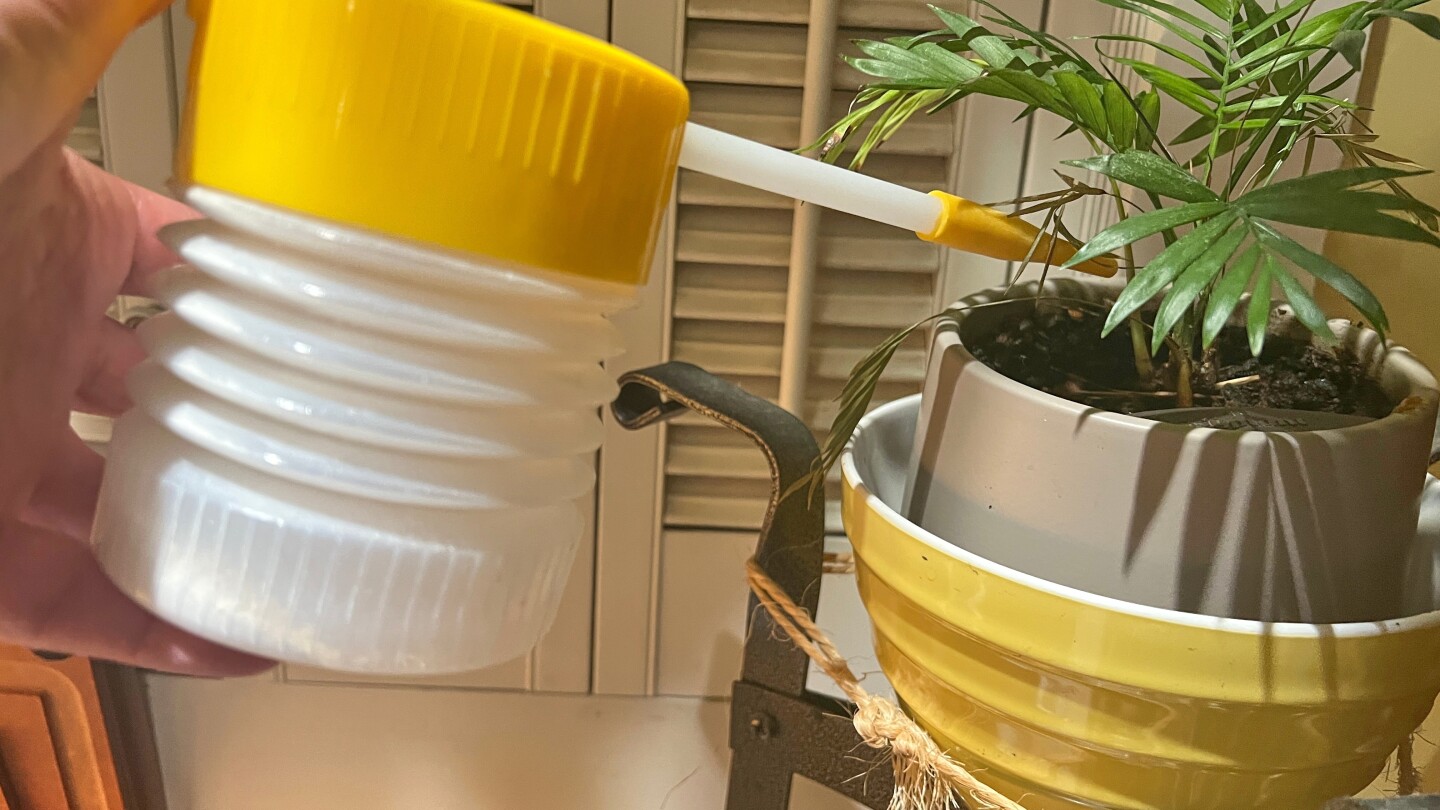
When the soil surface dries, sprinkle it with about ¼ inch of food-grade diatomaceous earth (DE). To ensure even distribution, consider using a powder duster, sometimes called a puffer.
Wear a mask; the dust isn’t toxic to people or pets, but it will irritate your lungs if inhaled. Insects that crawl across the dry powder, which is composed of tiny shard-like particles, become dehydrated and die.
Diatomaceous earth must be kept dry to maintain its effectiveness, so bottom-water plants by placing pots in a shallow container of water. Allow the soil and roots to soak up what they need for about 15 minutes, then discard any remaining water. Bottom watering also helps prevent fungal diseases and root rot, so it’s a good practice regardless of pest concerns.
DE should be reapplied occasionally because soil moisture will degrade it over time, even when watering from below.
Protect your other plants
If you have other houseplants, quarantine your newcomer in a separate room for three to four weeks. Inspect it every few days as you did at the nursery, as some pests may not show their faces for a while.
When you’re confident all is clear, go ahead and introduce your plants to the rest of the family.
___
Jessica Damiano writes weekly gardening columns for the AP and publishes the award-winning Weekly Dirt Newsletter. You can sign up here for weekly gardening tips and advice.
___
For more AP gardening stories, go to https://apnews.com/hub/gardening.
