

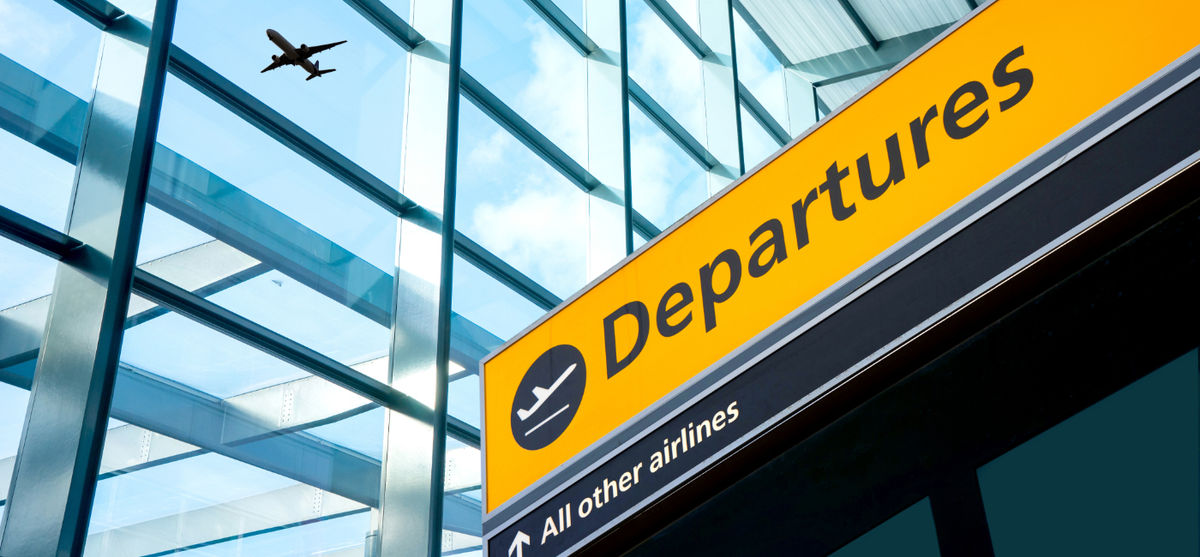

Travelers passing through one of the world’s busiest airports will no longer need to pack miniature liquids in their carry-ons in order to get through security.
London Heathrow International Airport (LHR) just announced that all passengers can bring full-sized liquids up to two liters through the security checkpoint. Even better: fliers no longer need to remove liquids or electronics from their bags, making the screening process even more streamlined.
The change is thanks to a technology upgrade that Heathrow officials just rolled out across the hub’s terminals. Every security checkpoint now has next-generation CT scanners that provide better images of what’s inside carry-on baggage.
The new technology promises “faster queues, less stress and a smoother start to journeys,” according to Heathrow officials, as the top-of-the-line scanners can more efficiently process luggage for thousands of passengers per hour.
“Every Heathrow passenger can now leave their liquids and laptops in their bags at security as we become the largest airport in the world to roll out the latest security scanning technology,” said Heathrow CEO Thomas Woldbye. “That means less time preparing for security and more time enjoying their journey – and millions fewer single-use plastic bags.”
The upgrade, which cost about £1 billion (about $1.37 billion) is estimated to save about 16 million plastic bags per year, according to the airport.
Similar CT scanners are available at many United States airports, allowing travelers to leave their large electronics like laptops in their bags. However, TSA still requires all passengers to pack small liquids of 3.2 oz (100 ml) or less in carry-on bags and remove all liquids when their bag goes through the scanner.
Before the update, Heathrow security lines already were pretty quick. More than 97% of passengers waited an average of only five minutes or less at its checkpoints in 2025, making it the most punctual hub airport in the UK or Europe.
For the latest travel news, updates and deals, subscribe to the daily TravelPulse newsletter.
