

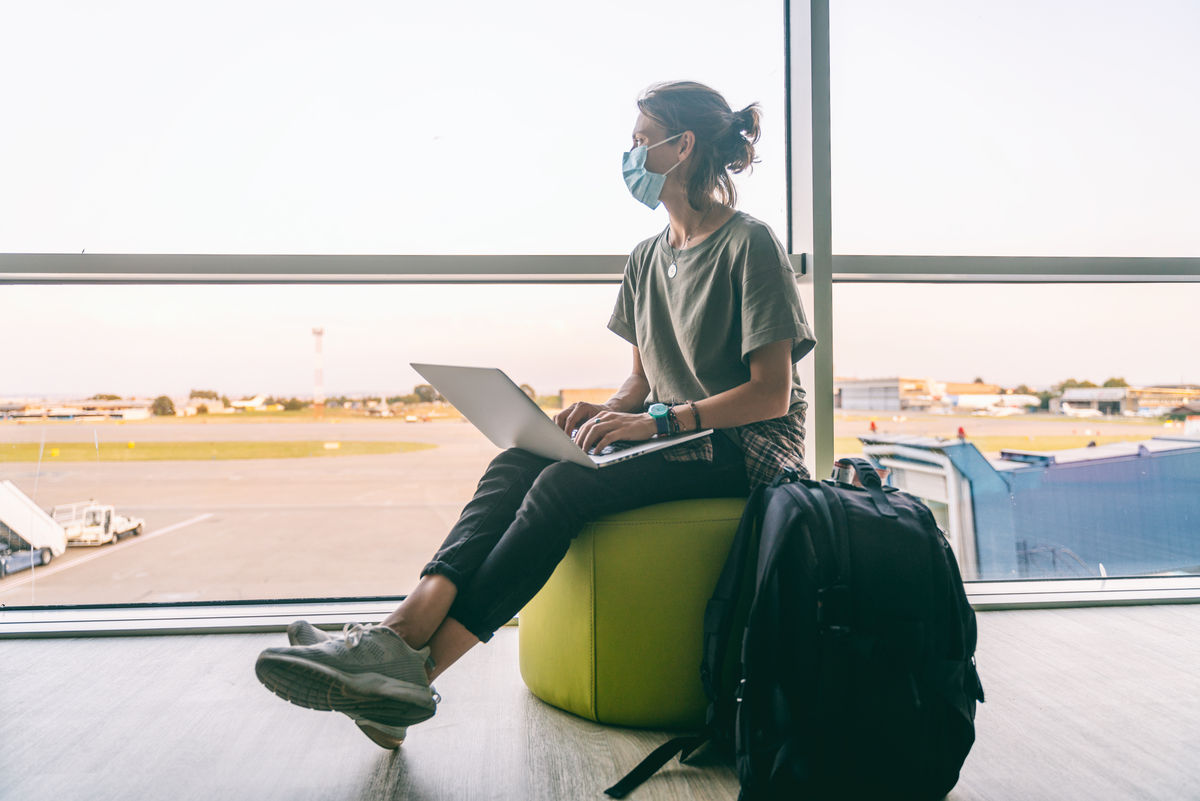

While it might be the most wonderful time of the year, it’s also the biggest flu and cold season of the year, when cold weather brings gatherings indoors and germs flourish and spread.
That’s why we contacted the Centers for Disease Control and Prevention (CDC) to find out how you can stay as safe and healthy as possible on your next trip, from sitting in an airplane to mitigating the spread of illness if you do get sick.
Preparation is Key
First off, it’s important to plan for unexpected events as best you can when you travel—and that includes potentially getting sick.
The CDC recommends packing a travel health kit with important items you might need, like prescribed medications for longer than the duration of your trip, in case of unplanned delays, along with sunscreen, your health insurance card, and common items or medications that might be challenging to find in your destination.
Pro Tip: Accidents and illnesses can happen at any time, not just during flu season. It’s important to purchase travel insurance that covers hospitalizations in case of unplanned emergencies, especially if you’ll be heading abroad (where American health insurance doesn’t cover medical expenses) or if you have any health conditions that increase risk. Be advised that if you have a pre-existing condition, to purchase travel insurance as soon as you book your trip.
Preventing Illness
While it’s likely you’ll be interacting with people who are sick without you ever being aware of it, you can do the best you can at fighting illness by washing your hands and using hand sanitizer regularly.
“Wearing a mask is an additional prevention strategy that offers you an extra layer of protection from respiratory illness,” said a CDC spokesperson.
Masks can be a helpful way to prevent the spread of respiratory illnesses, especially if you yourself are sick and still have to travel.
Pro Tip: Airplanes and buses are common public spaces that, while cleaned semi-regularly, don’t often meet travelers’ personal standards. If you’re worried about getting sick while traveling, consider bringing a packet of alcohol wipes or other cleaning wipes to wipe down your seat, seatbelt and the rest of your personal space—at the very least, it’ll keep you feeling comfortable while taking public transportation.
What Happens If You Get Sick While Traveling
Good news: if you get sick while traveling, you’ll likely still be able to receive the medications or treatment you might need from a pharmacy or even a doctor’s office or urgent care.
The CDC recommends wearing a mask in public spaces to reduce the risk of spreading your illness to others, sanitizing or washing your hands regularly and covering your mouth and nose with a tissue or your sleeve when you cough or sneeze.
Additionally, if you have a fever, the CDC recommends delaying travel. Take the time you need to rest and recover, and if you need to see a doctor, consider contacting your travel insurance to assist you.
Pro Tip: If you’re traveling abroad in Europe (and elsewhere, I’m sure), head to the pharmacy first. There, you’ll be able to tell the pharmacist about your symptoms, who will then give you several recommendations for treatment, such as common cold medicines. While the brand names might be different, it’s likely they’ll be the same treatment as you would receive in the United States, and it might help prevent more serious illness or a visit to the doctor.
A Note About Vaccines
The CDC’s recommendations and information about vaccines have been irregular and uncertain lately, though the CDC spokesperson commented on vaccination as being a preventive for serious illness: “Be up-to-date on routine vaccines, such as measles-mumps-rubella (MMR), tetanus, and flu. If traveling internationally, other vaccines may be recommended or required.
“The decision to vaccinate is a personal one,” said the spokesperson. “Parents should consult their healthcare providers on options for their families regarding vaccines.”
It’s highly recommended to trust your healthcare provider about the safety and efficacy of vaccinations; if you have questions about anything health-related, contact your doctor for more information.
For the latest travel news, updates and deals, subscribe to the daily TravelPulse newsletter.
