

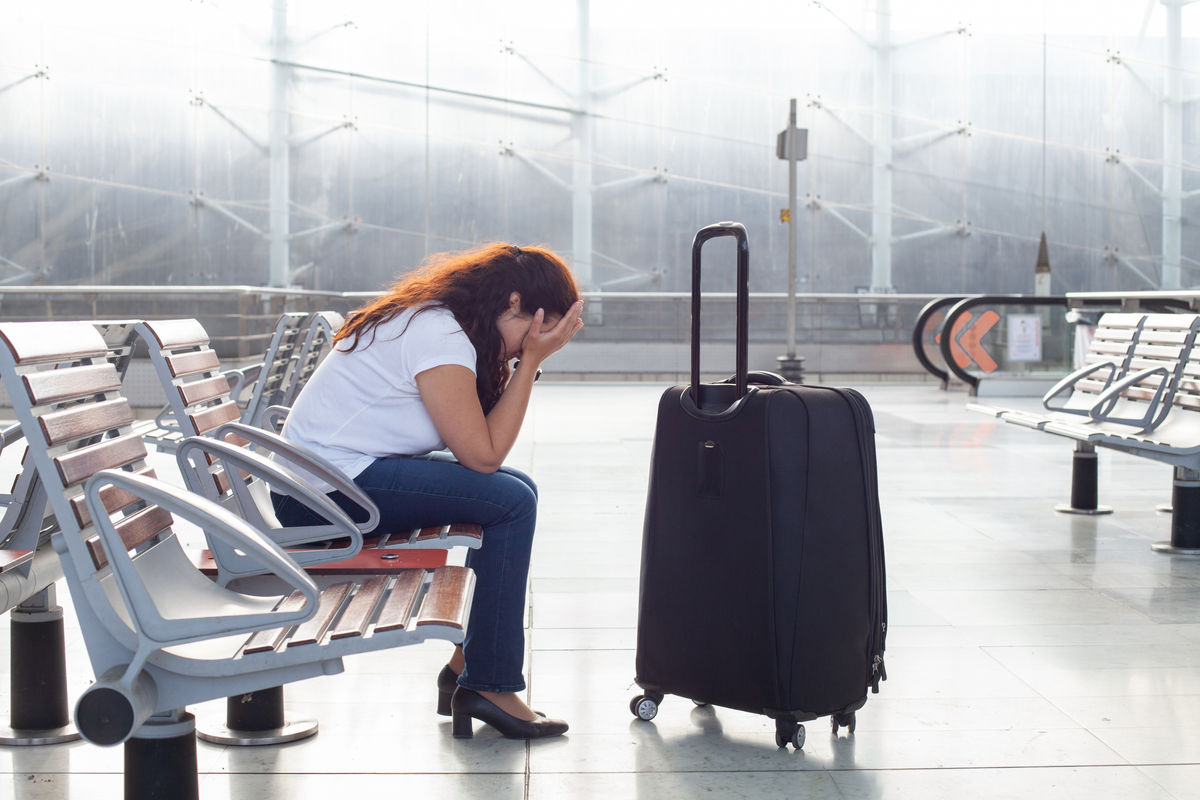

Between the recent government shutdown and the Trump Administration’s decision to repeal Biden-era consumer protections for travelers whose flights are delayed, consumers are losing faith in the American travel system.
A newly conducted consumer survey from LegalShield shows that 33 percent of Americans no longer have confidence in the “safety and reliability of flying.”
That opinion is linked to a “perfect storm” of government dysfunction, including the record 43-day shutdown, which was the longest in U.S. history, along with weakened consumer protections.
Those two factors appear to be creating widespread confusion among travelers, say Legal Shield experts.
“It’s not just weather or lost luggage consumers are worried about; their trust in the travel system is eroding,” Matt Layton, LegalShield’s senior vice president of consumer analytics, said. “The shutdown, plus new confusion regarding passenger compensation, exposed how fragile the travel ecosystem can be. This shift in confidence is driving real behavior changes.”
Some of those behavior changes include passengers skipping specific types of travel entirely for the short-term. The survey found that 40 percent plan to avoid airport and train travel this holiday season.
Additional takeaways from the LegalShield survey include:
58 percent of travelers surveyed have wasted substantial time dealing with delays, customer service issues, appeals and claims25 percent admit they are unfamiliar with their travel rights55 percent have little to no confidence to assert their rights when problems arise63 percent lost money due to travel disruptions25 percent lost more than $500
Some of that confusion surrounding consumers rights is linked to changes recently announced with regard to the protections and compensation travelers are entitled to when flight issues occur. The newly released Legal Shield survey showed that 61 percent of survey participants mistakenly believe they’re entitled to compensation when flights are delayed.
The Trump administration recently withdrew a proposal that would have compensated airline passengers for any delays that are within an airline’s control. Under a plan that was put forth during the Biden-era, passengers would have received compensation from airlines based on how long a flight delay the passenger experienced.
The compensation would have begun at $200 for shorter delays and increased to as much as $775 for any delays that were nine hours or more. Similar compensation and consumer protection measures have long been in place in Europe and the proposal was meant to bring the United States more in line with European rules.
In ditching the plan, a Department of Transportation spokesperson said the compensation proposal was “overly burdensome” and would “raise ticket prices for the traveling public.”
Airline industry compensation experts however, have said that there is no truth to claims that ticket prices would need to be increased for consumers.
“Data shows that the actual cost per passenger to fully adopt these regulations in the U.S. would be between $0.40 – $0.90 per flight,” Eric Napoli, chief legal officer for AirHelp, a company that assists consumers with claiming compensation, told TravelPulse during an interview last year. “For less than $1, U.S. air passengers would be able to have the same passenger rights as their European counterparts.”
Napoli explained at the time that the United States is well behind other countries with regard to consumer protections for travelers. In particular, Napoli said that “compensation for delayed, cancelled, and overbooked flights in addition to a refund, has been in place and working well for more than 20 years in the EU, UK, but also in Turkey, Canada, and, more recently, Saudi Arabia.”
Depending on a passenger’s flight, flight scenario, and ultimate destination, filing for EU airline compensation under EU law EC261, can mean up to $650 per person in reimbursements, said Napoli.
In the United States federal guidelines address issues such as significant delays, controllable events, overbooking, and tarmac delays. But “any additional compensation – like vouchers, meals, hotel stays, or cash for delays – is largely up to each airline,” said Wayne Hassay, a LegalShield provider lawyer at Ohio-based Maguire Schneider Hassay, LLP.
For the latest travel news, updates and deals, subscribe to the daily TravelPulse newsletter.
